Showing the single result
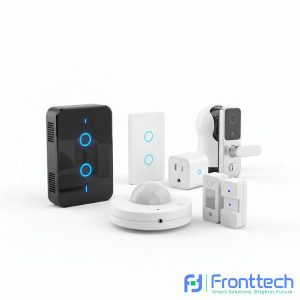
Smart Home Automation refers to a system where different devices in a home such as lights, switches, door locks, cameras, and sensors are connected together and can be controlled through a centralized system. This system is usually operated using a mobile app, smart control panel, or voice command. As a result, homeowners can easily manage home lighting, security, and appliances.
In a smart home ecosystem, multiple smart devices work together. For example, when a motion sensor detects movement, the light can automatically turn on, or a door can be locked remotely using a mobile app. This makes everyday tasks much easier.
Currently, Smart Home Automation in Bangladesh is becoming increasingly popular. Using automation systems in modern apartments and houses improves convenience, enhances security, and helps manage energy usage more efficiently. As technology becomes more accessible, many people are now using automation solutions to make their homes more modern, safe, and smart.
Modern homes are gradually adopting smart home automation systems to make everyday life easier, safer, and more efficient. A smart home automation system mainly connects different smart devices through a centralized platform. This system is typically controlled through a mobile app, smart control panel, or voice assistant. As a result, homeowners can easily manage lighting, security, and appliances throughout the house from one place.
One of the most popular automation features is smart lighting automation. With this system, lights can automatically turn on or off through scheduling, motion detection, or mobile app control. Additionally, smart switches are used instead of traditional switches, allowing lights and electrical appliances to be controlled remotely.
Security automation is also an important part of smart home systems. By using smart security cameras, motion sensors, and door sensors, home security can be easily monitored. If any unusual movement is detected, a notification is instantly sent to the mobile phone. At the same time, smart locks allow homeowners to lock or unlock doors using a mobile app without needing a physical key.
Many smart home systems now support voice assistant integration, allowing users to turn off lights or lock doors through voice commands. For example, a user can control lights, doors, and appliances together through an integrated
smart home automation solutions system, which makes modern homes more intelligent and convenient.
When someone wants to purchase a smart home automation system, they usually look for several important features. A good smart home system is not just about modern technology; it also makes daily life more convenient and efficient. Buyers typically look for systems that are easy to control and can smoothly integrate with different smart devices.
One of the most important features is mobile app control. Through this, homeowners can control lights, switches, cameras, or appliances from anywhere in the world. For example, if someone is outside the home, they can turn off lights or check security cameras through the mobile app.
Another popular feature is voice control. By using a voice assistant, users can turn lights on or off, control fans, or lock doors simply by giving a command. This makes daily tasks much easier.
In addition, the automation scheduling feature allows lights or appliances to automatically turn on or off at specific times. Many smart systems also include an energy monitoring option, allowing homeowners to track their electricity usage and reduce unnecessary power consumption.
All these features work together to make a smart home system more practical, secure, and energy efficient.
Smart home automation systems can come in different types, and each system serves a different purpose. Many homeowners start with lighting automation because it is simple and greatly improves daily home comfort. With this system, lights can be controlled automatically through a mobile app or scheduling.
On the other hand, security automation is mainly used for home safety. It includes smart cameras, motion sensors, door sensors, and smart locks that send mobile notifications when suspicious activity is detected. This is especially useful when homeowners are away from home.
Appliance automation allows devices such as TVs, AC units, fans, or kitchen appliances to be controlled remotely. This provides both energy savings and convenience.
The most advanced option is a full smart home ecosystem, where lighting, security, appliances, and sensors are all controlled through a centralized system. This is the most complete solution for modern smart homes.
| Automation Type | Main Function | Devices Used | Best Use Case |
|---|---|---|---|
| Lighting Automation | Automatic light control | Smart bulbs, smart switches | Convenience and energy saving |
| Security Automation | Home monitoring and alerts | Cameras, motion sensors, smart locks | Improving home security |
| Appliance Automation | Remote control of home appliances | Smart plugs, smart switches | Managing appliances remotely |
| Full Smart Home Ecosystem | Complete home automation control | Lighting, security, appliances, sensors | Fully connected smart home |
The cost of Smart Home Automation in Bangladesh usually depends on the system complexity, number of devices, installation setup, and the size of the home. Many homeowners start with a small setup such as smart lighting or smart switches and later add more devices based on their needs to build a complete smart home ecosystem.
A basic automation system usually starts with only lighting control or a few smart switches. A medium-level system includes security devices such as cameras, sensors, and smart locks. An advanced setup integrates lighting, security, appliances, sensors, and a centralized control system together.
In Bangladesh, some smart automation devices such as WiFi smart switches or sensors are relatively affordable, but installing a complete home automation system can be more expensive because it involves installation, configuration, and multiple smart devices.
| Automation Level | System Scope | Typical Setup | General Price Range (BDT) |
|---|---|---|---|
| Basic Automation | Single-room or lighting automation | Smart lights, smart switches, app control | Approx. 10,000 – 20,000 |
| Medium Automation | Lighting + security automation | Smart lights, cameras, sensors, smart locks | Approx. 30,000 – 70,000 |
| Advanced Automation | Full smart home ecosystem | Lighting, security, appliances, centralized control | Approx. 75,000 – 250,000+ |
When selecting the right smart home automation system, several important factors should be considered. First, homeowners should think about their home size and number of rooms. For a small apartment, automation can usually start with smart lighting, smart switches, and basic security devices. However, for a large house or villa, a full automation system including lighting, security cameras, smart locks, and sensors may be required.
The second important factor is automation goals. If someone wants convenience, lighting automation and smart switches may be enough. But if security is a priority, adding smart cameras, motion sensors, and smart door locks is a better option.
Another important factor is device compatibility. The chosen automation system should support various smart devices and future upgrades. This makes it easier to add new devices later.
Budget planning is also important. For example, a basic automation system may be enough for an apartment, while an office space or large house may require an advanced smart ecosystem. With proper planning, homeowners can choose a reliable and scalable smart home automation system according to their needs.
Many people have common questions about Smart Home Automation, especially as this technology is gradually becoming popular in Bangladesh. Below are simple explanations of some important questions about how smart automation systems work, what devices are needed, and installation.
Smart Home Automation is a system where home devices such as lights, switches, security cameras, locks, and sensors can be controlled through a centralized platform. Using a mobile app, smart panel, or voice command, homeowners can easily manage different devices in their home remotely.
Smart home systems usually connect different devices through the internet or a local network. Smart switches, sensors, locks, and lighting systems are connected to a central controller or mobile app. Through this, users can control the automation of the entire home from one place.
Yes, properly configured smart home automation systems are generally secure. Modern systems use encrypted communication and secure mobile apps. By using security cameras, motion sensors, and smart locks, home monitoring becomes stronger and homeowners can receive real-time alerts.
Yes, smart automation systems can be installed in many older homes. By using wireless smart switches, smart plugs, and sensors, major rewiring is usually not required. Many homeowners are easily upgrading their existing homes using modern
smart home automation solutions.
Many smart home devices use the internet for remote access and mobile control. However, some systems can also run basic automation using a local network. With internet access, homeowners can control lights, security cameras, and smart locks from anywhere.