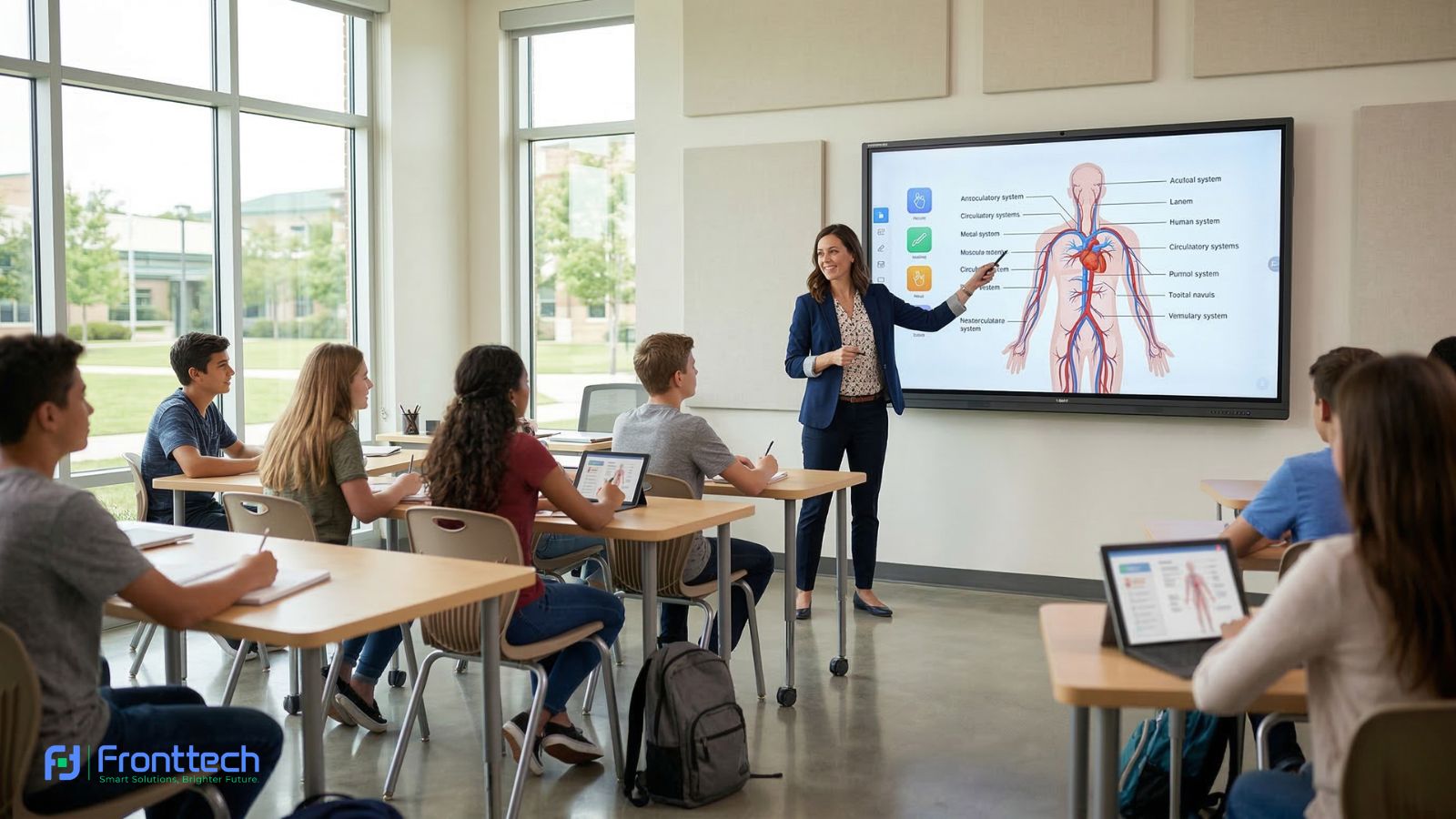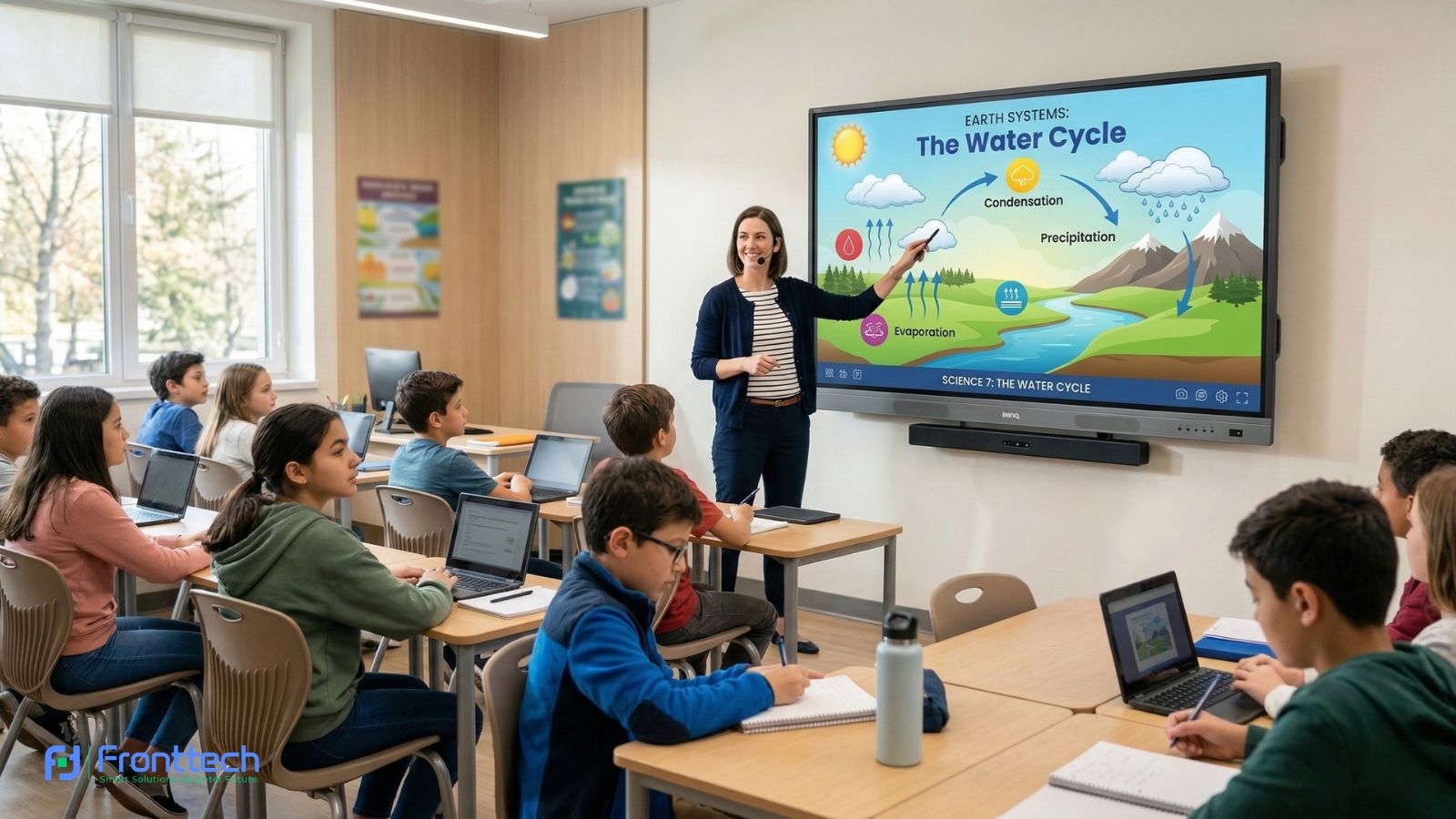


In modern corporate training, professional workshops, and skill development sessions, traditional whiteboards and projectors often fail to deliver the level of engagement needed. From my observation, when trainers rely only on static slides, trainees tend to lose focus over time. However, using an Interactive Whiteboard for Training Rooms completely changes the training environment by making sessions more interactive, clear, and practical.
In my experience, trainers feel more confident when they can write directly on the screen, highlight key points, and explain concepts visually in real time. This makes it easier to break down complex topics and keep trainees involved. Many training centers and corporate offices now prefer using an Interactive Whiteboard for Training Rooms because it allows both presentation and interaction in one system, without needing multiple devices.
When it comes to price, the cost usually depends on screen size, display quality, touch responsiveness, and built-in features. Smaller training rooms often work well with 65-inch or 75-inch models, while larger training environments benefit more from 86-inch displays. Based on real training setups I’ve seen, choosing the right screen size significantly improves visibility and overall learning effectiveness.
Specifications also play a major role in training performance. Features like fast touch response, clear 4K resolution, anti-glare display, and easy connectivity with laptops make the training process smoother. Trainers commonly prefer systems that respond instantly to touch and work without delays, as this creates a more professional and uninterrupted training flow.
The training experience itself improves noticeably with an interactive display. Instead of being passive viewers, trainees can actively participate by writing on the screen, solving problems, or interacting with training content. Many trainers report that this level of engagement improves understanding and helps trainees retain information longer. From a practical perspective, an Interactive Whiteboard for Training Rooms creates a more collaborative and effective learning environment.
When buying one, it is important to consider training room size, number of participants, training type, and long-term usability. Choosing the right Interactive Whiteboard for Training Rooms ensures better communication, improved training quality, and a more modern learning setup.
Interactive Whiteboard for Training Rooms: Overview and Training Use

This section explains how an Interactive Whiteboard for Training Rooms works and why it has become an essential tool in modern training environments. It helps trainers present information clearly, interact with content in real time, and create a more engaging learning experience for trainees. From what I’ve seen in real training setups, this technology improves communication and makes training sessions more effective compared to traditional whiteboards or projectors.
Here, you will understand how interactive whiteboards support trainers during presentations, how they improve trainee participation, and why many organizations now prefer using an Interactive Whiteboard for Training Rooms for professional training sessions. This overview will help you see its practical role and importance before exploring price, specifications, and buying decisions.
How interactive whiteboards improve training sessions
An Interactive Whiteboard for Training Rooms improves training sessions by making them more interactive, clear, and engaging for both trainers and trainees. Instead of just showing slides, trainers can write directly on the screen, highlight important points, and explain concepts step by step. From my observation in real training environments, this makes a big difference because trainees can follow the explanation visually rather than just listening.
One of the biggest improvements is better engagement. When trainers use a traditional projector, trainees usually remain passive. However, with an Interactive Whiteboard for Training Rooms, trainers can invite trainees to interact with the screen, solve problems, or mark answers directly. Based on feedback from many trainers, this hands-on interaction helps trainees stay focused and improves overall participation during the session.
Another important benefit is a clearer explanation of complex topics. In technical training, trainers often need to explain diagrams, workflows, or software steps. In my experience, being able to draw, zoom, and annotate content in real time makes the explanation much easier to understand. This reduces confusion and helps trainees learn faster. Many training professionals report that visual explanation combined with touch interaction improves knowledge retention.
Training efficiency also improves because everything can be done on one screen. Trainers can switch between presentations, videos, and live demonstrations without wasting time. This creates a smooth training flow and keeps trainees engaged throughout the session. From a practical perspective, using an Interactive Whiteboard for Training Rooms helps trainers deliver content more professionally and confidently.
Another real advantage is improved collaboration. Trainees can work together on the screen, share ideas, and participate in group activities. This makes the training environment more active instead of one-way communication. Based on real usage, this collaborative approach improves learning outcomes and builds a better understanding.
Interactive whiteboard vs projector for training rooms
When choosing between a projector and an Interactive Whiteboard for Training Rooms, the biggest difference is how trainers interact with the content and how clearly trainees can see and understand the material. From my experience in real training rooms, projectors can display slides, but they do not allow direct interaction. Trainers usually need a mouse, keyboard, or laser pointer, which slows down the training flow. In contrast, an interactive whiteboard allows trainers to write, scroll, and control everything directly on the screen, which makes the session feel more natural and professional.
Display clarity is another major factor. Most modern interactive whiteboards come with 4K UHD resolution (3840 × 2160) and brightness around 350–450 nits, which ensures clear visibility even in well-lit rooms. Projectors, however, often struggle in bright environments. In many training rooms I’ve seen, trainers have to dim the lights just to make the projection visible. This can reduce trainee focus and make the environment less comfortable. An Interactive Whiteboard for Training Rooms solves this problem by providing consistent brightness and sharp image quality without changing room lighting.
Maintenance and lifespan also make a big difference in long-term use. Interactive whiteboards are designed to last around 50,000 hours, which means they can run daily for 7–10 years without major hardware replacement. Projectors usually have lamp life between 3,000 and 5,000 hours, and replacement lamps can cost around $150 to $300 each time. Based on feedback from training centers, frequent lamp replacement increases maintenance costs and causes interruptions in training schedules.
Ease of use is another important advantage. An interactive whiteboard is an all-in-one system with built-in speakers, touch support, and wireless connectivity. Trainers can connect laptops, open files, and annotate instantly. Projectors require additional equipment such as external speakers, mounting setup, and regular alignment. From my observation, trainers prefer using an Interactive Whiteboard for Training Rooms because it saves time and reduces technical issues during sessions.
Here is a realistic comparison based on actual training room usage:
Feature | Interactive Whiteboard for Training Rooms | Projector |
Display resolution | 4K UHD (3840 × 2160) | Usually Full HD or lower |
Brightness | 350–450 nits (clear in bright rooms) | Depends on room lighting |
Interaction | Full touch support (20–40 touch points) | No direct touch support |
Lifespan | Up to 50,000 hours | 3,000–5,000 hours lamp life |
Maintenance cost | Very low | Regular lamp replacement is needed |
Ease of use | All-in-one system | Requires multiple devices |
From a practical point of view, projectors may still work for basic presentations with limited interaction. However, most modern organizations now prefer an Interactive Whiteboard for Training Rooms because it improves engagement, reduces maintenance, and provides a more reliable training experience. Many trainers report that trainees understand topics faster when they can see clear visuals and interact directly with the screen.
At the end of the day, if the goal is to create a modern, efficient, and long-lasting training setup, an interactive whiteboard is the better choice. It may cost more initially, but the long-term benefits in performance, usability, and training quality make it a smarter investment.
Interactive Whiteboard Price and Specifications for Training Rooms
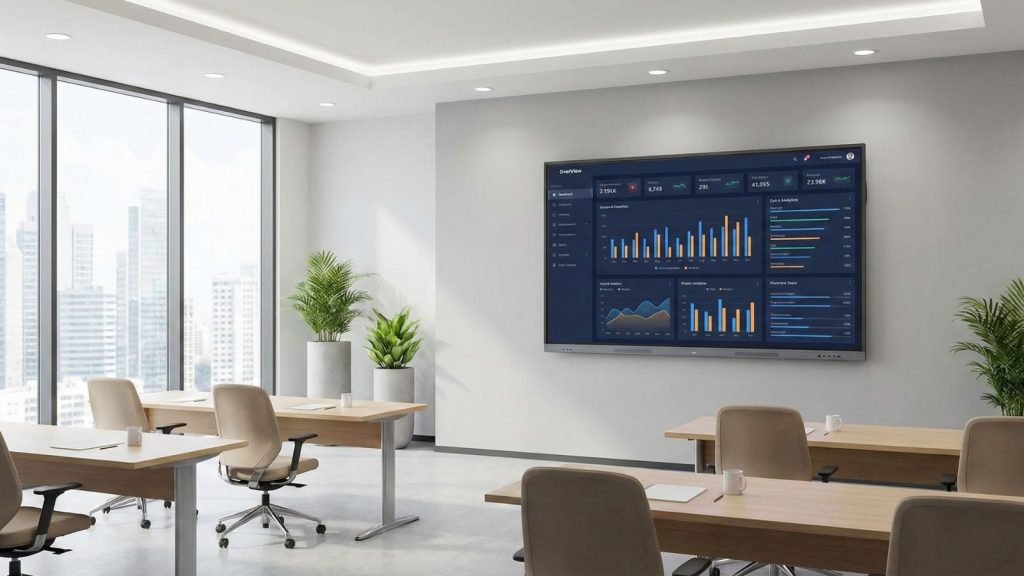
This section explains the pricing structure and essential specifications you should understand before choosing an Interactive Whiteboard for Training Rooms. From my observation in real training environments, both price and technical performance directly affect training quality, usability, and long-term value. Selecting the right combination ensures that trainers can deliver sessions smoothly and trainees can clearly see and interact with the content.
Here, you will learn how price varies based on screen size and hardware performance, which specifications like 4K resolution, touch support, and RAM are important, and how these factors impact real training use. This overview will help you identify the most suitable Interactive Whiteboard for Training Rooms based on your budget, training room size, and performance needs.
Price based on screen size and training needs
The price of an Interactive Whiteboard for Training Rooms mainly depends on screen size and the number of trainees in the room. From my experience with different training environments, choosing the right screen size is not just about budget—it directly affects visibility, comfort, and overall training effectiveness. A smaller screen may cost less, but it can create visibility issues in larger rooms, which reduces training quality.
For small training rooms with 5 to 10 participants, a 65-inch Interactive Whiteboard for Training Rooms is usually the most practical option. The typical price range for this size is around $900 to $1,500, depending on features and hardware. Based on real usage, this size works well when trainees are seated within 8 to 10 feet of the screen. In my opinion, this is a good starting point for small offices and basic training setups.
For medium-sized training rooms with 10 to 20 trainees, a 75-inch model is a better choice. These usually cost between $1,400 and $2,200, and they offer better visibility from longer distances. From what I’ve seen, this size provides a comfortable viewing experience for trainees sitting up to 12 to 15 feet away. Many corporate training centers prefer this size because it balances price and performance.
For large training rooms with 20 to 40 participants, an 86-inch Interactive Whiteboard for Training Rooms is the most effective solution. The price typically ranges from $2,000 to $3,500, depending on specifications like RAM, touch support, and display quality. Based on real training room setups, this size ensures clear visibility even from 15 to 20 feet, which makes it ideal for professional training environments.
Here is a practical comparison based on real training needs:
Screen Size | Typical Price Range | Suitable Training Room Size | Clear Viewing Distance |
65-inch | $900 – $1,500 | 5–10 trainees | Up to 10 feet |
75-inch | $1,400 – $2,200 | 10–20 trainees | Up to 15 feet |
86-inch | $2,000 – $3,500 | 20–40 trainees | Up to 20 feet |
Training type also affects the best choice. For example, software training or technical sessions usually benefit from larger screens because trainees need to see small details clearly. From my observation, investing in the right Interactive Whiteboard for Training Rooms improves training efficiency and reduces communication problems.
At the end of the day, the best screen size depends on your room size, the number of trainees, and the training purpose. Choosing the correct size ensures better visibility, improves trainee engagement, and provides long-term value for your training investment.
Important specifications for training environments
Choosing the right specifications is essential when selecting an Interactive Whiteboard for Training Rooms, because performance directly affects training quality and user experience. From my observation in real training sessions, trainers prefer systems that respond quickly, display clear visuals, and work smoothly without delays. Even a small delay or low display quality can interrupt the flow of training and reduce trainee engagement.
One of the most important specifications is display resolution. Most professional models now offer 4K UHD resolution (3840 × 2160), which provides sharp text and clear visuals. This is especially important for software training, data analysis sessions, and technical presentations where small details must be visible. Based on trainer feedback, higher resolution makes content easier to read, even for trainees sitting farther away.
Touch performance is another key factor. A reliable Interactive Whiteboard for Training Rooms should support at least 20-point multi-touch, while premium models offer 40-point touch support. This allows multiple trainees to interact with the screen at the same time. In my experience, smooth and accurate touch response helps trainers explain concepts faster and makes training more interactive.
Internal hardware also affects performance. Most modern systems include 4GB to 8GB RAM and 32GB to 64GB internal storage, which ensures smooth operation when opening files, switching applications, or running training software. Systems with lower RAM may slow down during presentations, which can disrupt training sessions. From a practical standpoint, higher RAM improves overall reliability.
Brightness and display durability are equally important. Training rooms are usually well-lit, so a brightness level of 350 to 450 nits ensures the screen remains clear without reducing room lighting. Many professional interactive whiteboards are also designed for long-term use, with a lifespan of up to 50,000 hours, which makes them suitable for daily training environments.
Here is a practical overview of the most important specifications:
Specification | Recommended Value for Training Rooms |
Resolution | 4K UHD (3840 × 2160) |
Touch support | 20-point or 40-point multi-touch |
RAM | 4GB – 8GB |
Storage | 32GB – 64GB |
Brightness | 350 – 450 nits |
Lifespan | Up to 50,000 hours |
Connectivity is another important feature. A good Interactive Whiteboard for Training Rooms should support HDMI, USB, WiFi, and screen sharing, allowing trainers to connect laptops and devices easily. From what I’ve seen, wireless connectivity makes training more efficient because trainers can share content instantly without cable issues.
At the end of the day, the right specifications ensure smooth performance, better visibility, and reliable daily use. Investing in a system with proper resolution, touch support, and hardware performance helps create a more professional and effective training environment.
Features required for effective training sessions
To run professional and efficient sessions, an Interactive Whiteboard for Training Rooms must include features that support clear presentation, smooth interaction, and reliable performance. From my experience observing corporate and technical training environments, trainers work more confidently when the system responds quickly and allows them to explain concepts without interruptions. The right features not only improve trainer performance but also help trainees understand topics more easily.
One of the most important features is accurate multi-touch support. Most professional systems offer 20-point or 40-point multi-touch, which allows multiple users to write or interact at the same time. This is especially useful during group activities or problem-solving sessions. From what I’ve seen, trainees stay more engaged when they can directly participate instead of just watching.
Another essential feature is 4K UHD display resolution (3840 × 2160). This ensures that text, charts, and software interfaces appear sharp and easy to read. In software or technical training, small details matter a lot. Based on trainer feedback, clear visuals reduce confusion and make explanations faster and more effective. A high-quality Interactive Whiteboard for Training Rooms also includes anti-glare glass, which improves visibility and reduces reflection under bright lighting.
Wireless screen sharing is also a key feature. Modern systems allow trainers to connect laptops, tablets, or mobile devices without using cables. This makes switching between presenters quick and easy. In my opinion, wireless connectivity saves time and keeps the training session running smoothly without technical delays.
Built-in software tools also play an important role. Many interactive whiteboards include tools like screen annotation, whiteboard mode, and file sharing. Trainers can write notes, save content, and reuse training materials later. From a practical perspective, this improves productivity and makes training sessions more organized.
Internal hardware performance is another feature that affects daily use. A reliable Interactive Whiteboard for Training Rooms should include at least 4GB to 8GB RAM, fast touch response under 8 milliseconds, and internal storage of 32GB or more. These features ensure smooth operation when opening presentations, videos, or training applications.
Here is a practical summary of the most important features:
Feature | Recommended Value | Training Benefit |
Touch support | 20-point or 40-point | Enables group interaction |
Display resolution | 4K UHD (3840 × 2160) | Clear and sharp visuals |
Touch response time | ≤ 8 ms | Smooth and fast writing |
Wireless screen sharing | Built-in support | Easy device connection |
RAM | 4GB – 8GB | Smooth performance |
Anti-glare display | Yes | Better visibility in bright rooms |
Based on real training usage, these features help trainers explain topics clearly and maintain trainee focus. Systems without these features often feel slower and less effective during live sessions.
Real-World Training Experience Using Interactive Whiteboards

This section explains how an Interactive Whiteboard for Training Rooms performs in real training environments and what trainers and trainees actually experience during daily use. From my observation, real-world performance is very different from just looking at specifications. Factors like screen clarity, touch response, and ease of use directly affect how smoothly training sessions run.
Here, you will learn how trainers deliver presentations using interactive whiteboards, how trainees engage with the content, and how this technology improves overall training effectiveness. This real usage insight will help you understand whether an Interactive Whiteboard for Training Rooms is the right choice for your training environment and what benefits you can expect in practical situations.
Trainer presentation and content delivery experience
From a trainer’s perspective, using an Interactive Whiteboard for Training Rooms makes content delivery much smoother and more effective compared to traditional tools. In many real training sessions I’ve observed, trainers can explain topics more clearly because they can write, highlight, and annotate directly on the screen. This helps them break down complex concepts step by step without interrupting the training flow.
One of the biggest advantages is real-time control. Trainers can open presentations, zoom into important areas, and switch between slides or applications instantly. Most modern systems respond within 5 to 8 milliseconds, which feels almost instant when writing or navigating. Based on trainer feedback, this fast response improves confidence because there is no delay between action and screen response.
Screen clarity also plays an important role in presentation quality. A professional Interactive Whiteboard for Training Rooms usually offers 4K UHD resolution, which makes text, charts, and diagrams easy to read. In my experience, trainers don’t need to repeat explanations as often because trainees can clearly see every detail. This saves time and improves overall training efficiency.
Another real benefit is flexibility during live training. Trainers can annotate directly on documents, pause videos to explain key points, and save notes for future sessions. Many trainers report that this feature helps them reuse training materials, which improves consistency across multiple sessions. This is especially useful in corporate environments where the same training is delivered regularly.
Wireless connectivity also improves the presentation experience. Trainers can connect laptops instantly using screen sharing, without dealing with cables. From what I’ve seen, this makes the setup faster and reduces technical interruptions. A reliable Interactive Whiteboard for Training Rooms allows trainers to focus fully on teaching instead of managing equipment.
In my opinion, one of the biggest improvements is how natural the presentation feels. Trainers can move freely, interact with the screen, and maintain better eye contact with trainees. This creates a more professional and engaging training environment.
Trainee engagement and interactive learning benefits
One of the biggest advantages of using an Interactive Whiteboard for Training Rooms is the improvement in trainee engagement and overall learning effectiveness. From my observation in real training environments, trainees pay more attention when they can see clear visuals and interact directly with the screen. This makes the learning process more active instead of passive, which helps trainees understand and remember information more easily.
A major benefit is direct interaction. Most modern interactive whiteboards support 20-point or 40-point multi-touch, which allows multiple trainees to write, draw, or solve problems on the screen at the same time. In my experience, when trainees participate directly, they become more confident and involved in the session. This creates a collaborative learning environment where everyone feels part of the training process.
Visibility also plays an important role in engagement. A high-quality Interactive Whiteboard for Training Rooms with 4K UHD resolution and large screen sizes like 75-inch or 86-inch ensures that trainees sitting up to 15 to 20 feet away can still see the content clearly. Based on trainee feedback, clear visibility reduces confusion and helps them follow the session without difficulty.
Another real benefit is better knowledge retention. Trainers can use visual explanations, diagrams, and real-time annotations, which make complex topics easier to understand. From what I’ve seen, trainees remember information better when they see and interact with it, rather than just listening to explanations. This is especially useful in technical training, software training, and professional skill development sessions.
Interactive whiteboards also support group learning activities. Trainers can divide trainees into teams and let them present ideas directly on the screen. A reliable Interactive Whiteboard for Training Rooms allows trainees to share their input instantly, which improves communication and teamwork skills. Many training organizations report that this approach makes sessions more productive and engaging.
Another practical benefit is instant feedback. Trainers can ask questions and allow trainees to answer directly on the screen. This helps trainers understand trainee progress and adjust the session accordingly. In my opinion, this creates a more effective learning environment because trainees stay focused and involved throughout the session.
How to Choose the Best Interactive Whiteboard for Training Rooms
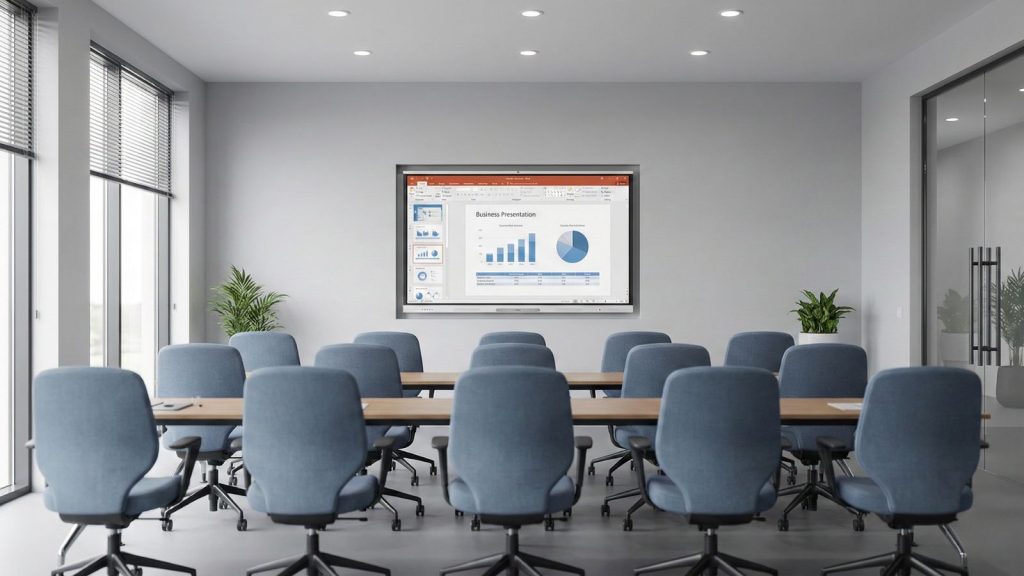
Choosing the best Interactive Whiteboard for Training Rooms is an important decision because it directly affects training quality, trainee visibility, and long-term usability. From what I’ve seen in real training environments, selecting the right system based on room size, training type, and performance specifications makes training sessions more effective and professional. A well-chosen interactive whiteboard helps trainers deliver content smoothly and ensures trainees can clearly see and interact with the material.
In this section, you will learn how to choose the right screen size based on training room capacity, which specifications ensure smooth performance, and how budget and training needs influence the final decision. This guidance will help you identify the most suitable Interactive Whiteboard for Training Rooms that provides reliable performance, better trainee engagement, and long-term value for your training environment.
Choosing the right screen size for training rooms
Selecting the correct screen size is one of the most important steps when buying an Interactive Whiteboard for Training Rooms, because it directly affects visibility, comfort, and learning effectiveness. From my observation in real training environments, trainees lose focus quickly if they cannot clearly see the content. Even the best features and performance won’t help if the screen size is too small for the room.
The most important factor is the distance between the screen and the last row of trainees. A general rule used in training room setups is that every 1 inch of screen size provides clear visibility for about 1.5 to 2 feet. For example, a 65-inch Interactive Whiteboard for Training Rooms provides comfortable viewing up to around 10 feet, which makes it suitable for small training rooms with 5–10 trainees. In my experience, this size works well for small offices and compact training spaces.
For medium training rooms with 10–20 trainees, a 75-inch screen is usually the best choice. It provides clear visibility up to 12–15 feet, allowing trainees in the middle and back rows to see text and visuals without difficulty. Based on trainer feedback, this size offers a good balance between cost and viewing comfort, which is why many corporate training centers prefer it.
For larger training rooms with 20–40 trainees, an 86-inch Interactive Whiteboard for Training Rooms is highly recommended. This size ensures clear visibility even at distances of 15–20 feet, making it easier for everyone in the room to follow the session. From what I’ve seen, larger screens significantly improve trainee engagement because trainees don’t need to strain their eyes to see the content.
Here is a practical screen size guide based on real training room usage:
Screen Size | Ideal Number of Trainees | Clear Viewing Distance | Recommended Room Type |
65-inch | 5–10 trainees | Up to 10 feet | Small training rooms |
75-inch | 10–20 trainees | Up to 15 feet | Medium training rooms |
86-inch | 20–40 trainees | Up to 20 feet | Large training rooms |
Training type also matters when choosing screen size. Technical training, software demonstrations, and detailed presentations benefit from larger screens because trainees need to see small elements clearly. In my opinion, investing in the right screen size improves training efficiency and prevents visibility issues in the long term.
At the end of the day, the best screen size depends on your training room dimensions and the number of participants. Choosing the correct Interactive Whiteboard for Training Rooms ensures clear visibility, better engagement, and a more professional training experience.
Choosing based on training type and budget
When selecting an Interactive Whiteboard for Training Rooms, it is important to match the system with your training type and available budget. From my experience observing real corporate and professional training environments, different training programs require different performance levels. Choosing the wrong model may save money initially, but it can reduce training efficiency and create limitations later.
For basic training sessions, such as employee onboarding, presentations, or general workshops, a standard model with 4K UHD resolution, 4GB RAM, and 20-point touch support is usually enough. These models typically cost around $900 to $1,500 and work well for small training rooms with 5–10 participants. In my opinion, this is a practical option for organizations with limited budgets that still want modern training tools.
For corporate training, professional development, and skill-based training, performance becomes more important. Trainers often need smooth screen response, clear visuals, and reliable multitasking. A mid-range Interactive Whiteboard for Training Rooms with 8GB RAM, 40-point touch support, and 75-inch screen size usually costs around $1,400 to $2,500. Based on trainer feedback, this setup provides better interaction and supports more advanced training activities.
For technical training, IT training, and large group training, higher-end models are the best choice. These systems often include 86-inch screens, faster touch response under 8 ms, 400 nits brightness, and higher internal storage up to 64GB or more. The typical price range for these professional systems is around $2,000 to $3,500. From what I’ve seen, these models provide excellent visibility and smooth performance, even in large training environments with 20–40 trainees.
Here is a practical comparison based on training type and budget:
Training Type | Recommended Screen Size | Recommended Specifications | Typical Budget Range |
Basic training | 65-inch | 4K resolution, 4GB RAM, 20-point touch | $900 – $1,500 |
Corporate training | 75-inch | 4K resolution, 8GB RAM, 40-point touch | $1,400 – $2,500 |
Technical or large training | 86-inch | 4K resolution, 8GB RAM, fast touch response | $2,000 – $3,500 |
Another important factor is long-term value. A reliable Interactive Whiteboard for Training Rooms with proper specifications can last up to 50,000 hours, which means daily use for many years without major performance issues. Many organizations report that investing in the right system improves training quality and reduces future upgrade costs.
At the end of the day, the best choice depends on your training needs, room size, and budget. If your training is basic, a standard model is enough. But for professional and technical training, investing in a higher-performance system provides better results and long-term benefits.
Interactive Whiteboard Buying Guide for Training Rooms (Final Decision Guide)
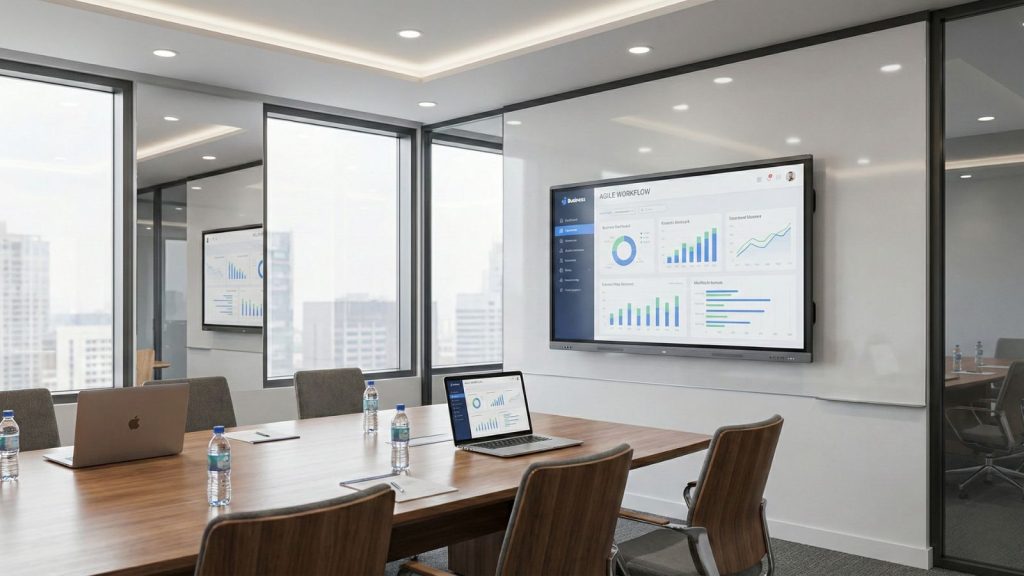
This final guide will help you make a confident decision when selecting an Interactive Whiteboard for Training Rooms based on real training needs, performance requirements, and budget. From my observation in professional training environments, the right choice depends on practical factors such as room size, number of trainees, and the type of training you conduct. Choosing the correct system ensures better visibility, smoother presentations, and reliable daily use.
In this section, you will understand the most important factors to evaluate before buying, including screen size suitability, essential specifications like 4K resolution and multi-touch support, and how budget affects performance and long-term value. This decision guide will help you identify the most suitable Interactive Whiteboard for Training Rooms that delivers consistent performance, improves training quality, and supports your organization’s long-term training goals.
Key factors to consider before buying
Before purchasing an Interactive Whiteboard for Training Rooms, it is important to evaluate several key factors that directly affect training performance, usability, and long-term value. From my experience observing real training environments, buyers who focus only on price often face issues later, such as poor visibility or slow performance. A well-planned decision ensures that the system supports daily training without limitations.
One of the most important factors is screen size based on room dimensions. If your training room has 5–10 trainees, a 65-inch screen is usually enough, providing clear visibility up to 10 feet. For medium rooms with 10–20 trainees, a 75-inch Interactive Whiteboard for Training Rooms offers better comfort and visibility up to 15 feet. Larger rooms with more participants require an 86-inch screen, which ensures clear viewing even at 20 feet distance. Based on real training setups, choosing the correct screen size prevents visibility issues and improves trainee engagement.
Another key factor is display resolution and touch performance. A reliable system should include 4K UHD resolution (3840 × 2160) and at least 20-point multi-touch support. This allows trainers to write smoothly and trainees to interact directly with the screen. From what I’ve seen, faster touch response under 8 milliseconds makes training feel more natural and efficient.
Internal hardware specifications also play an important role. A professional Interactive Whiteboard for Training Rooms should include 4GB to 8GB RAM and 32GB to 64GB storage. These specifications ensure smooth performance when running presentations, videos, and training software. Systems with lower hardware capacity may slow down, which can interrupt the training process.
Durability and lifespan are also important for long-term use. Most commercial models offer up to 50,000 hours of operational lifespan, which means daily use for 7–10 years. Many organizations report that investing in durable systems reduces maintenance costs and improves reliability over time.
Connectivity and compatibility should also be considered. A good interactive whiteboard should support HDMI, USB, and wireless screen sharing, allowing trainers to connect laptops and devices easily. In my opinion, wireless connectivity makes training more efficient because trainers can share content instantly without technical delays.
Here is a practical checklist to help with the buying decision:
Factor | Recommended Value |
Screen size | 65″, 75″, or 86″ based on room size |
Resolution | 4K UHD (3840 × 2160) |
Touch support | 20-point or higher |
RAM | 4GB – 8GB |
Lifespan | Up to 50,000 hours |
Connectivity | HDMI, USB, wireless sharing |
At the end of the day, choosing the right Interactive Whiteboard for Training Rooms depends on your training needs, room size, and performance requirements. Focusing on these key factors helps ensure reliable performance and a better training experience for both trainers and trainees.
Best choice based on training room size and usage
The best Interactive Whiteboard for Training Rooms should always match the training room size and how the system will be used daily. From my observation in real corporate training setups, choosing the correct screen size and performance level improves visibility, trainee comfort, and overall training effectiveness. Many organizations make the mistake of choosing based only on price, but proper size and usage matching provide much better long-term results.
For small training rooms with 5 to 10 trainees, a 65-inch Interactive Whiteboard for Training Rooms is usually the most practical choice. This size provides clear visibility up to 8 to 10 feet, which is enough for compact rooms. In my experience, this works well for onboarding sessions, internal training, and small workshops where trainees sit closer to the screen.
For medium training rooms with 10 to 25 trainees, a 75-inch model is considered the best balance between price and performance. It offers comfortable viewing up to 12 to 15 feet, allowing trainees in the middle and back rows to see clearly. Based on trainer feedback, this size is commonly used in corporate training centers because it supports presentations, technical training, and interactive learning effectively.
For large training rooms with 20 to 40 trainees, an 86-inch Interactive Whiteboard for Training Rooms is the ideal option. This size ensures clear visibility even from 15 to 20 feet, which is important in larger rooms or seminar-style training environments. From what I’ve seen, larger displays improve trainee engagement because everyone can follow the content without difficulty.
Here is a practical recommendation based on real training room usage:
Training Room Size | Number of Trainees | Best Screen Size | Clear Viewing Distance |
Small room | 5–10 trainees | 65-inch | Up to 10 feet |
Medium room | 10–25 trainees | 75-inch | Up to 15 feet |
Large room | 20–40 trainees | 86-inch | Up to 20 feet |
Training usage also affects the best choice. For basic presentations and general training, a 65-inch model works well. For software training, technical sessions, and skill-based training, a 75-inch or 86-inch Interactive Whiteboard for Training Rooms provides better clarity and interaction. In my opinion, medium and large training environments benefit the most from larger screens because they improve visibility and learning comfort.
Another important factor is long-term usability. Most professional interactive whiteboards offer up to 50,000 hours of lifespan, which means they can support daily training for many years. Many organizations report that selecting the correct size improves training efficiency and reduces the need for upgrades later.
At the end of the day, the best choice depends on your training room size, number of trainees, and training purpose. Choosing the right Interactive Whiteboard for Training Rooms ensures better visibility, smoother training delivery, and a more professional learning environment.
FAQs Interactive Whiteboard Price and Specifications for Training Rooms
Choosing the right Interactive Whiteboard for Training Rooms depends on both price and technical specifications. From my observation in real corporate training setups, buyers who select the correct screen size, RAM, and touch performance get much better training results. Price usually increases with screen size and hardware performance, but choosing the right balance ensures long-term usability and better training efficiency.
What is the average price of an Interactive Whiteboard for Training Rooms?
The average price ranges from $900 to $3,500, depending on screen size, RAM, storage, and touch features. Smaller 65-inch models cost less, while larger 86-inch models cost more due to better visibility and performance.
What specifications are most important for training environments?
The most important specifications include 4K UHD resolution (3840 × 2160), 4GB–8GB RAM, 20-point or 40-point multi-touch support, and brightness between 350–450 nits. These ensure clear visuals and smooth training performance.
How long does an Interactive Whiteboard for Training Rooms last?
Most professional models have a lifespan of up to 50,000 hours, which means they can be used daily for 7–10 years without major hardware issues.
Which screen size is best for training rooms?
A 65-inch screen is best for small rooms, a 75-inch screen for medium rooms, and an 86-inch Interactive Whiteboard for Training Rooms is best for large training environments.
What is the best resolution for an Interactive Whiteboard for Training Rooms?
The best resolution is 4K UHD (3840 × 2160). From my observation, 4K resolution ensures clear text, sharp visuals, and better visibility, especially in training rooms where trainees sit far from the screen. Lower resolutions like Full HD may not provide the same clarity for detailed training content.
How much RAM is recommended for training use?
A minimum of 4GB RAM is required, but 8GB RAM is recommended for smoother performance. Based on real training usage, higher RAM allows faster app switching, smoother presentations, and better overall performance during training sessions.